
Caffeine, BYU, and the Word of Wisdom: The Culture Behind Utah's Soda Craze
To understand how dirty soda conquered the American West, you have to look beyond syrup pumps and nugget ice. You have to understand the collision of a 19th-century religious health code, suburban family sociology, and the universal human need for an afternoon community ritual.
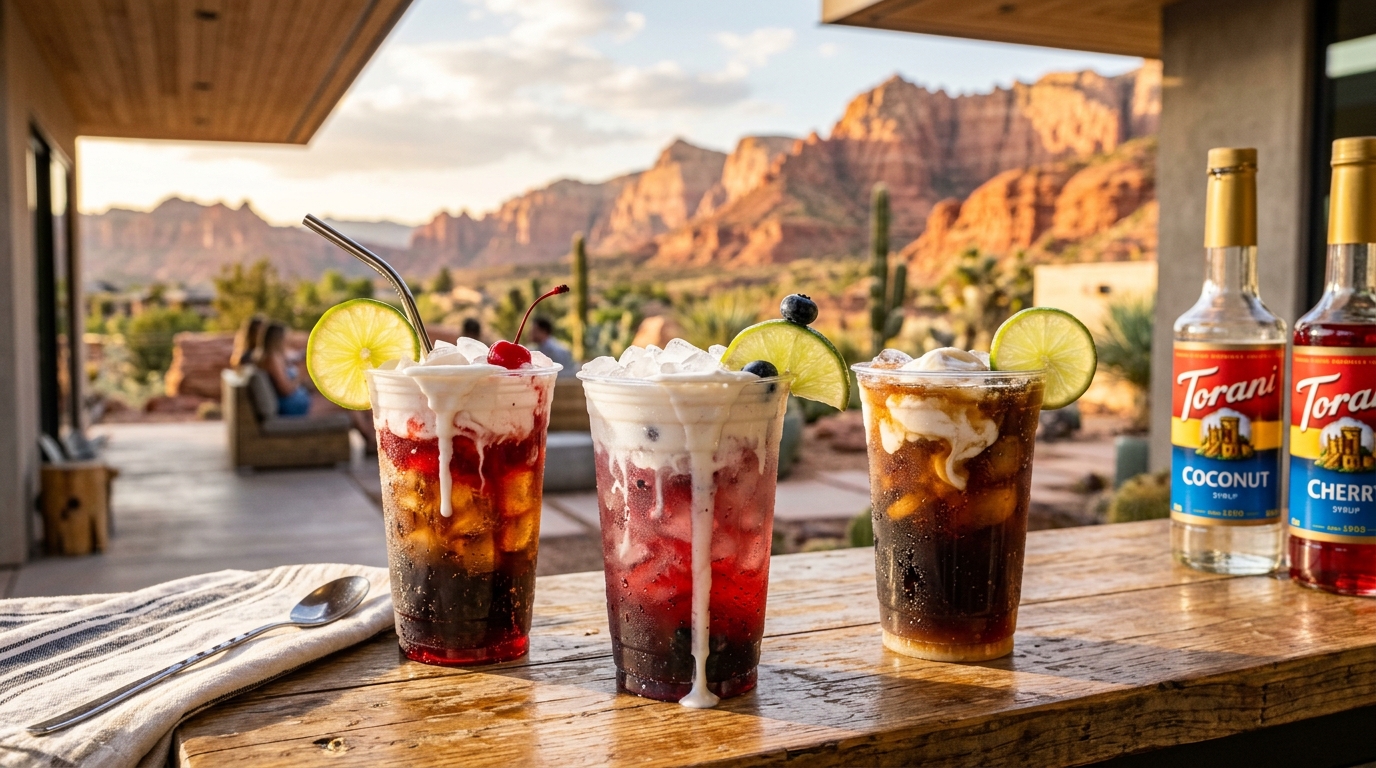
1. The Word of Wisdom: Hot Drinks vs. Cold Caffeine
In 1833, Joseph Smith, the founding prophet of The Church of Jesus Christ of Latter-day Saints, recorded a revelation known as the Word of Wisdom (canonized as Section 89 of the Doctrine and Covenants). Written as a "principle with promise" for the physical health of early church pioneers, it counselled against alcohol, tobacco, and "hot drinks."
By the late 19th and early 20th centuries, LDS leadership officially interpreted "hot drinks" specifically as brewed coffee and tea (from the Camellia sinensis plant, encompassing black, green, and oolong teas). For generations, however, a cultural myth persisted among some members that the proscription was based on caffeine itself.
In response to a national television segment on Mitt Romney’s presidential campaign, LDS Church headquarters issued an official statement via its public newsroom: "The church revelation regarding health practices... does not mention the use of caffeine. The church's health guidelines prohibits alcoholic drinks, smoking or chewing of tobacco, and 'hot drinks' — taught by church leaders to refer to tea and coffee."
That single clarification wiped away decades of whispered family debates. Cold caffeinated soda was completely in harmony with church health standards.
2. The 'Third Place' Dilemma: Replacing Starbucks and Happy Hour
Sociologist Ray Oldenburg introduced the concept of the "Third Place"—neutral social ground outside of the home (first place) and the workplace (second place) where people gather, converse, and build community bonds.
Across urban America, third places are dominated by coffeehouses and neighborhood bars:
- The morning ritual of grabbing an artisan latte before the workday.
- The casual business meeting over iced Americanos.
- The post-work Friday happy hour with coworkers over craft beer or wine.
In Utah, where roughly half the population observes the Word of Wisdom, these traditional institutions held little appeal for observant families. But the sociological hunger for that exact same ritual remained untouched.
Dirty soda drive-thrus filled the vacuum with astonishing perfection. Ordering a customized 32-ounce Dirty Dr. Pepper with coconut syrup, sweet cream, and a warm cookie provided the exact same dopamine reward, personal customization, and afternoon social break—100% compliant with faith guidelines and accessible to parents and children alike.
3. The BYU 2017 Turning Point: "It's Happening"
For nearly sixty years, Brigham Young University (BYU) in Provo—owned and operated by the church—held a policy of not serving caffeinated sodas in campus vending machines, dining commons, or sporting events at LaVell Edwards Stadium. While not a religious ban, university administrators maintained that "customer demand was low."
On September 21, 2017, BYU Dining Services shocked the campus with a six-word tweet:
The Cougar Eat food court was instantly flooded with thousands of students chanting, celebrating, and purchasing 20-ounce bottles of Diet Coke and Coca-Cola. The campus newspaper declared it an historic day. The collegiate normalization of caffeinated fountain soda removed the last vestige of hesitation across the state.
4. Pop Culture Explosion: From St. George to TikTok Fame
What started as a quirky regional dessert trend in Utah has evolved into a multi-million-dollar national industry. Through TikTok lifestyle creators, Hulu’s reality television series The Secret Lives of Mormon Wives, and high-profile visits from celebrities like Olivia Rodrigo, the concept of getting your soda "dirty" has migrated into mainstream American dining.
Fast-food giants like Sonic Drive-In and regional coffeehouse chains across the Midwest and South now feature dedicated dirty soda menu extensions. Private equity firms have invested hundreds of millions into scaling Utah-born brands across Texas, Arizona, Florida, and Tennessee.
At its core, dirty soda represents a democratic, joyfully unpretentious culinary movement: taking an everyday staple of American convenience and turning it into an artisanal, custom-crafted moment of daily celebration.